
Loading Experience0%
A complex enterprise architecture study designed to transform public awareness and operational efficiency at Rajiv Gandhi Zoological Park.
Role
UX Researcher & Designer
Team
2 Designers
Timeline
4 Weeks
Tools
Figma, Miro, PPT
In this project, Ankit and I explored Rajiv Gandhi Zoological Park (RGZP) through a systems thinking framework, recognizing that a zoo is more than just a collection of animals.
Rajiv Gandhi Zoological Park, commonly known as the Rajiv Gandhi Zoo, is a 130-acre zoological park in Pune, Maharashtra. Established in 1999, it serves as a critical hub for conservation and public education.
We aim to uncover the intricate relationships that govern a zoo's functionality, seeking sustainable solutions that benefit both the captive inhabitants and the broader ecosystem.
Protecting endangered species through breeding and habitat management.
Spreading awareness about wildlife and ecological balance among visitors.
Despite their importance, zoos are often misunderstood as mere entertainment venues rather than educational and conservationist institutions.
People lack awareness regarding the purpose and significance of zoos — they are seen as static displays rather than living ecosystems.
As a UX Researcher and Designer, I steered the project through the full double diamond process.
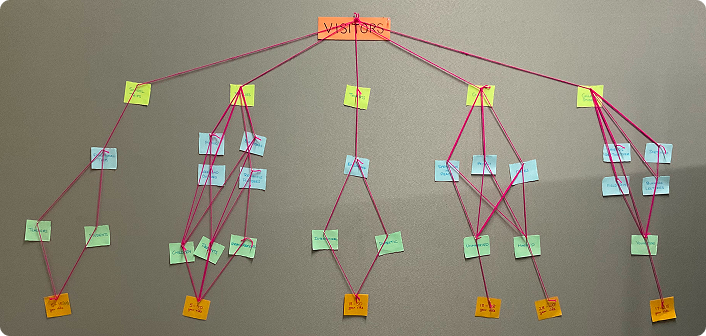
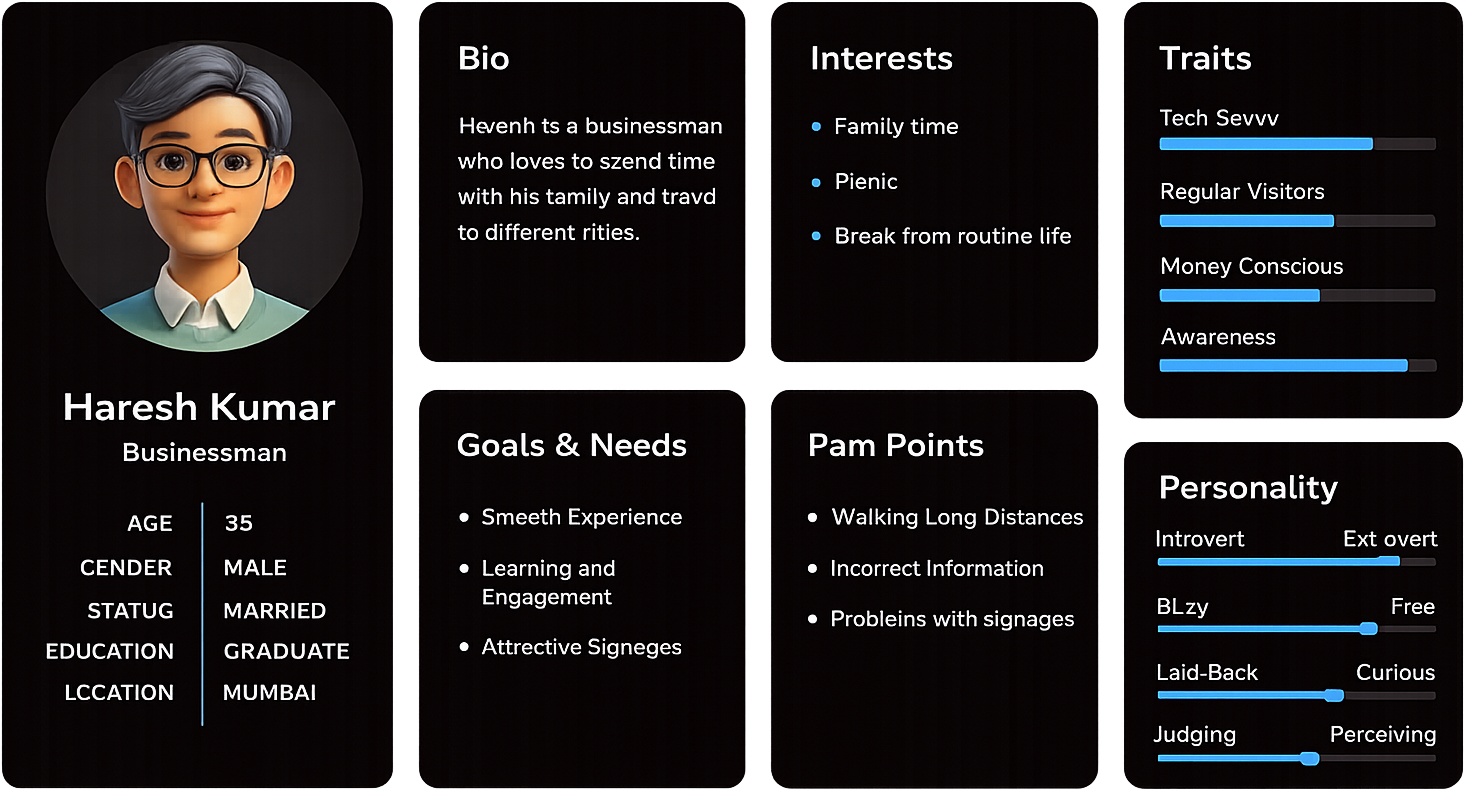
Conducted research interviews, created visitor journey maps, and designed user personas.
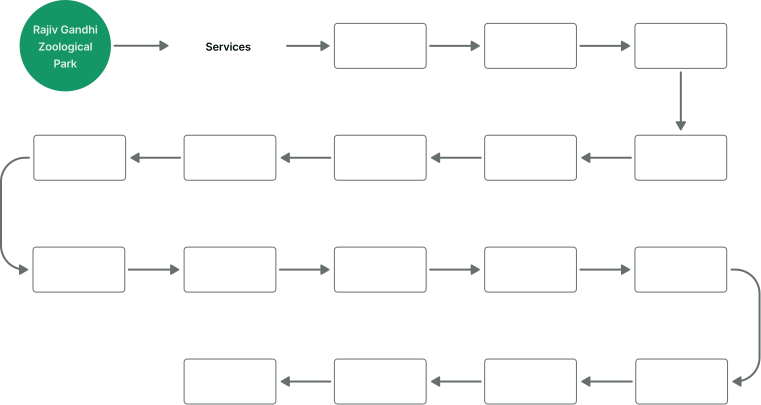
Developed flow diagrams, mind mapping, and brainstormed solutions.
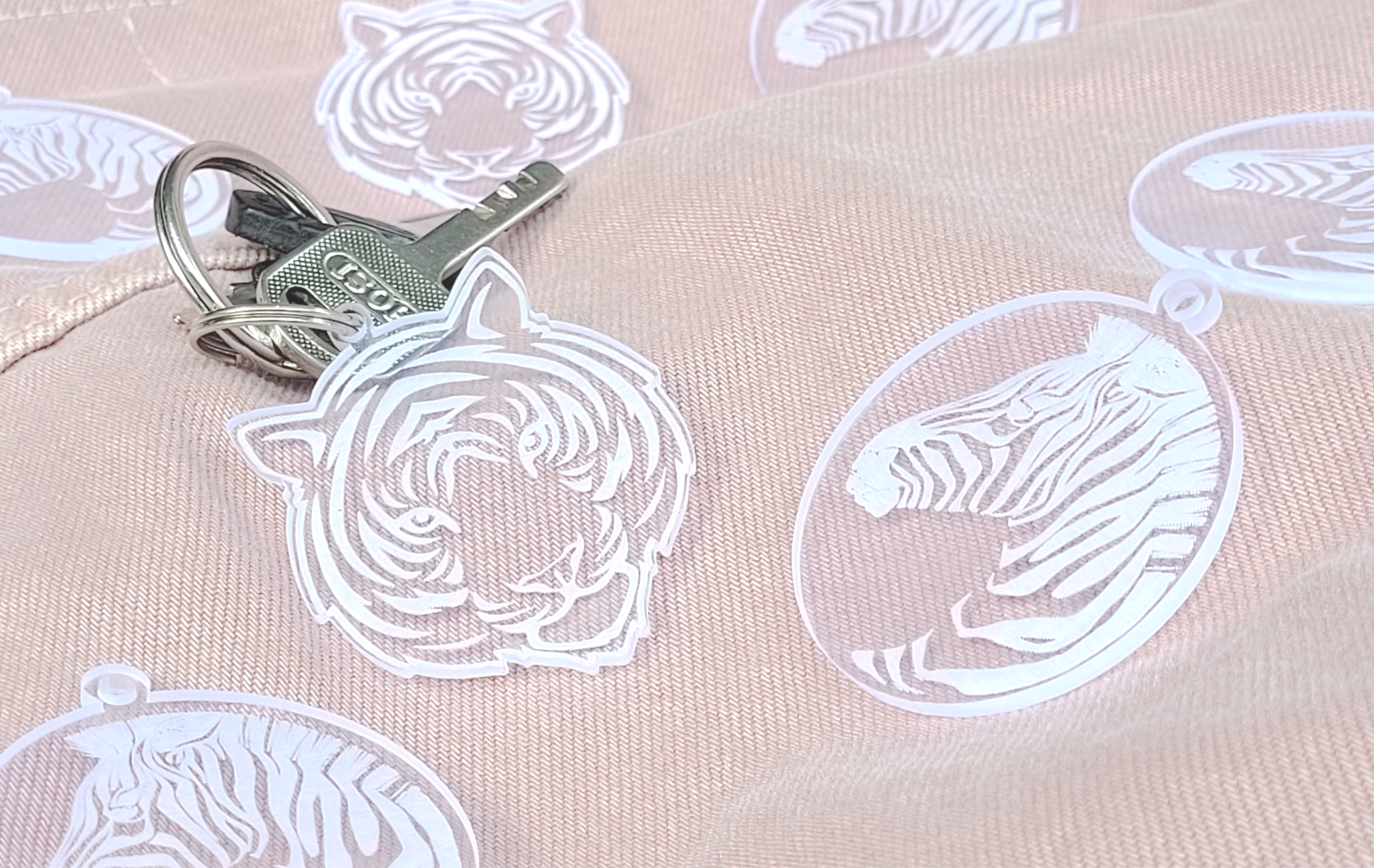
Designed and laser-cut souvenirs (keychains and badges) using selected durable materials.
Analyzed findings, empathy mapping, and identifying opportunities to frame a problem statement.

Figma
UI/UX & Prototyping

Miro
Mind mapping & Ideation

PowerPoint
Presentation & Delivery
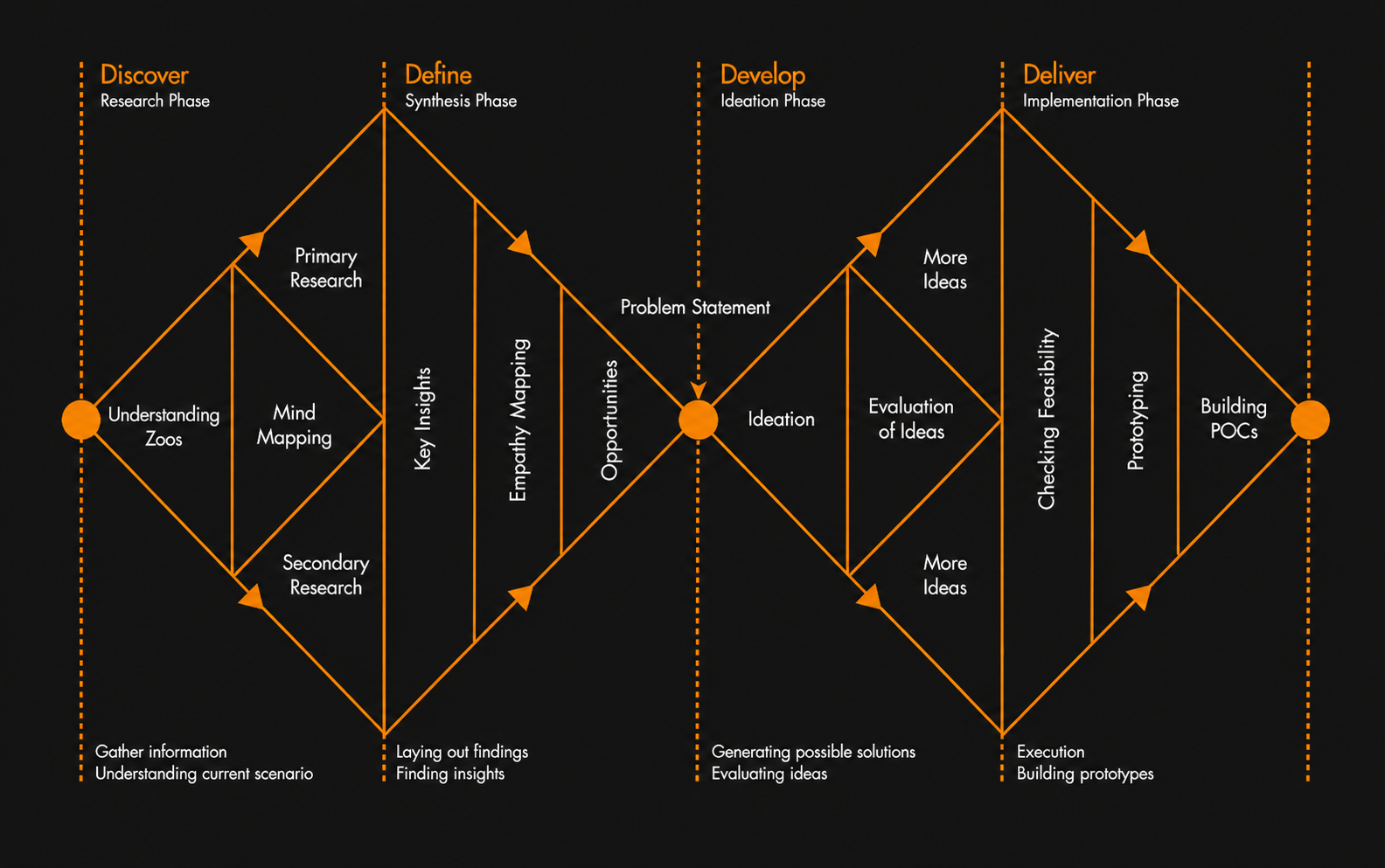
We used the Double Diamond Process Model to explore problems deeply and deliver effective solutions.
Gathering insights through understanding zoos, mind mapping, and primary/secondary research.
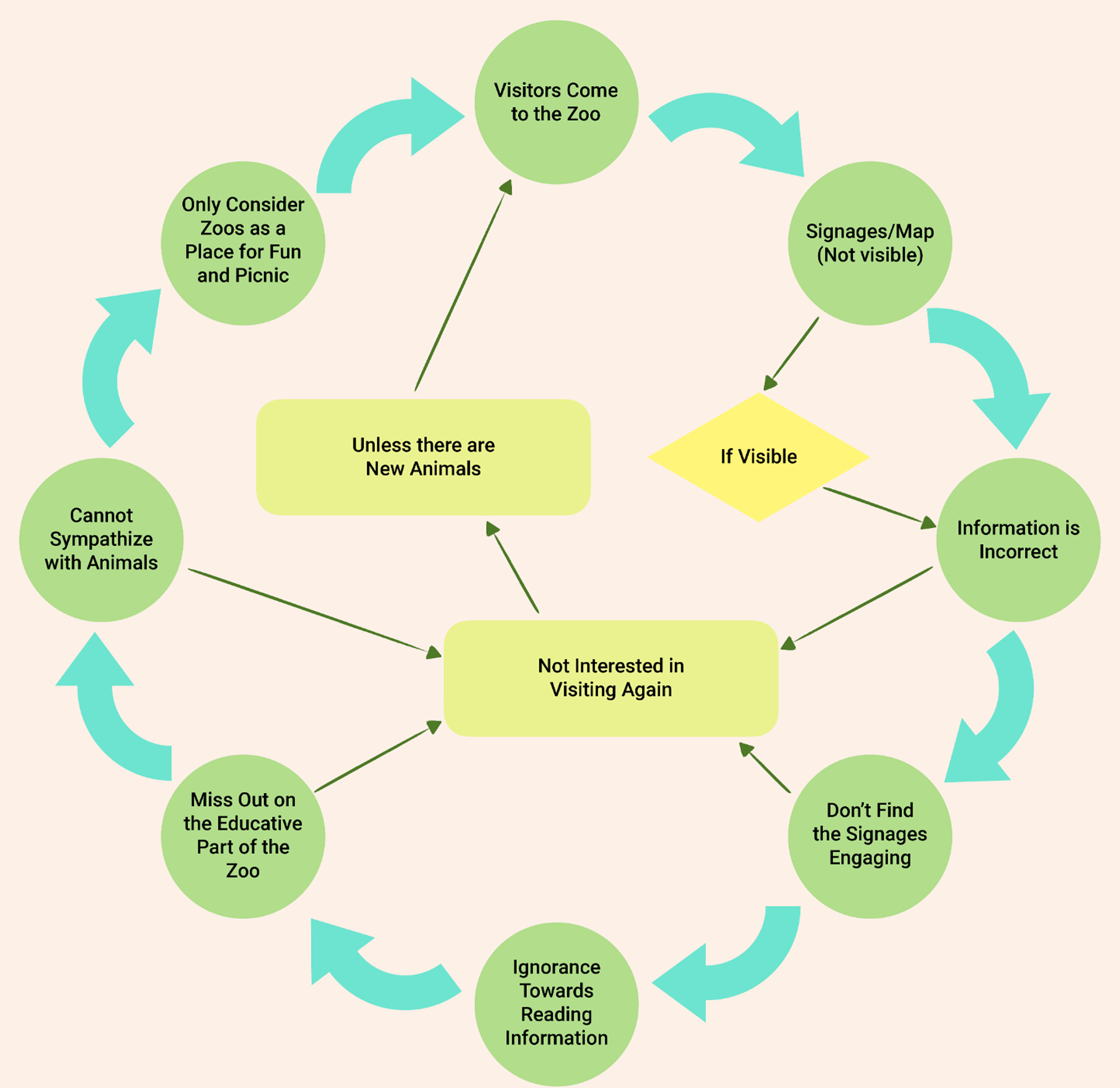
Analyzing findings, empathy mapping, and identifying opportunities to frame a problem statement.
Generating, evaluating, and refining ideas for potential solutions.
Validating feasibility, prototyping, and creating proof-of-concepts (POCs).
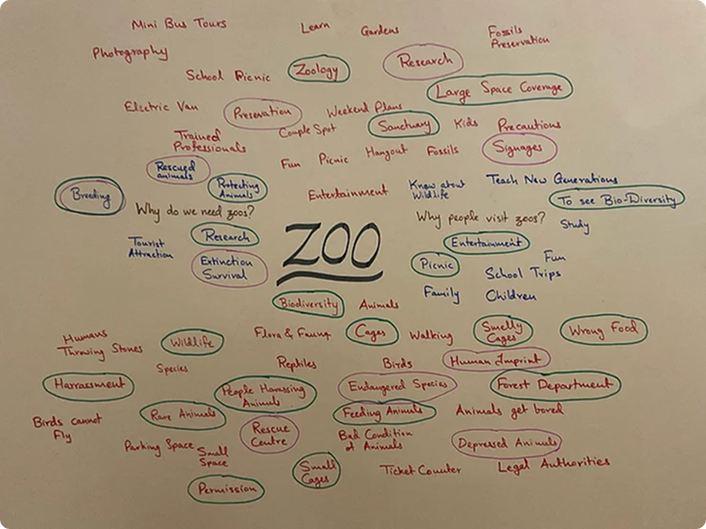
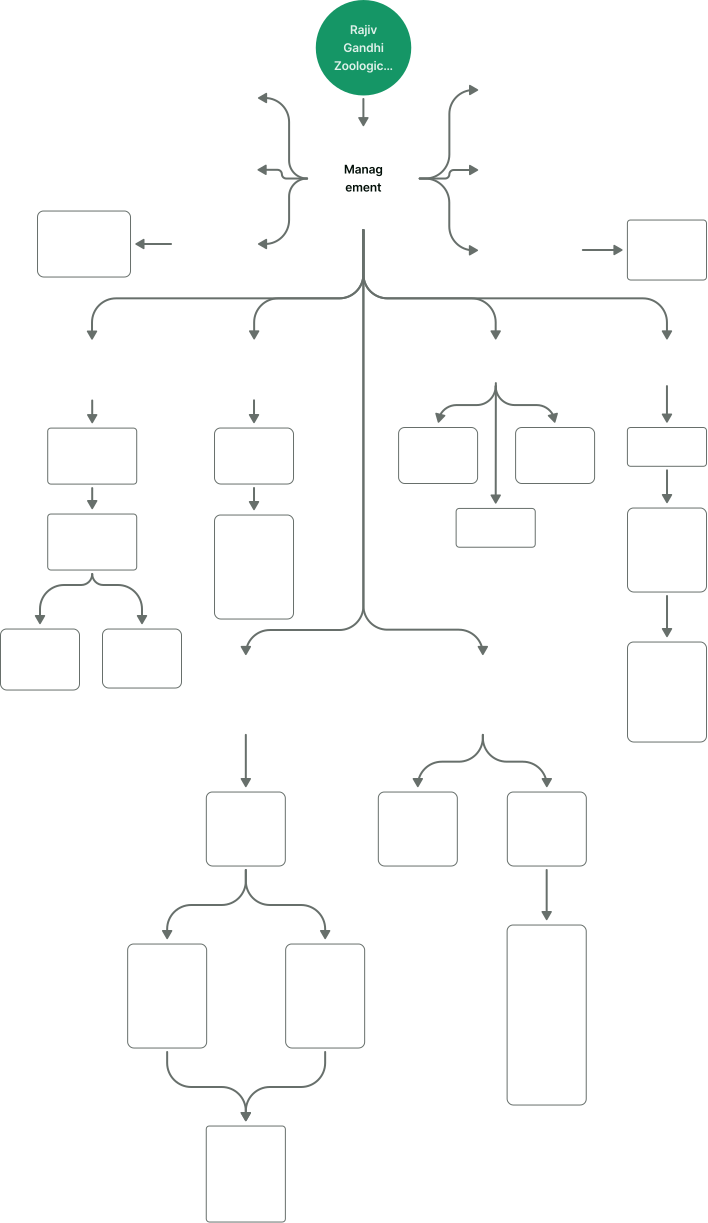
Multiple visits to RGZP allowed us to interview directors and visitors, uncovering the true operational heart of the zoo.
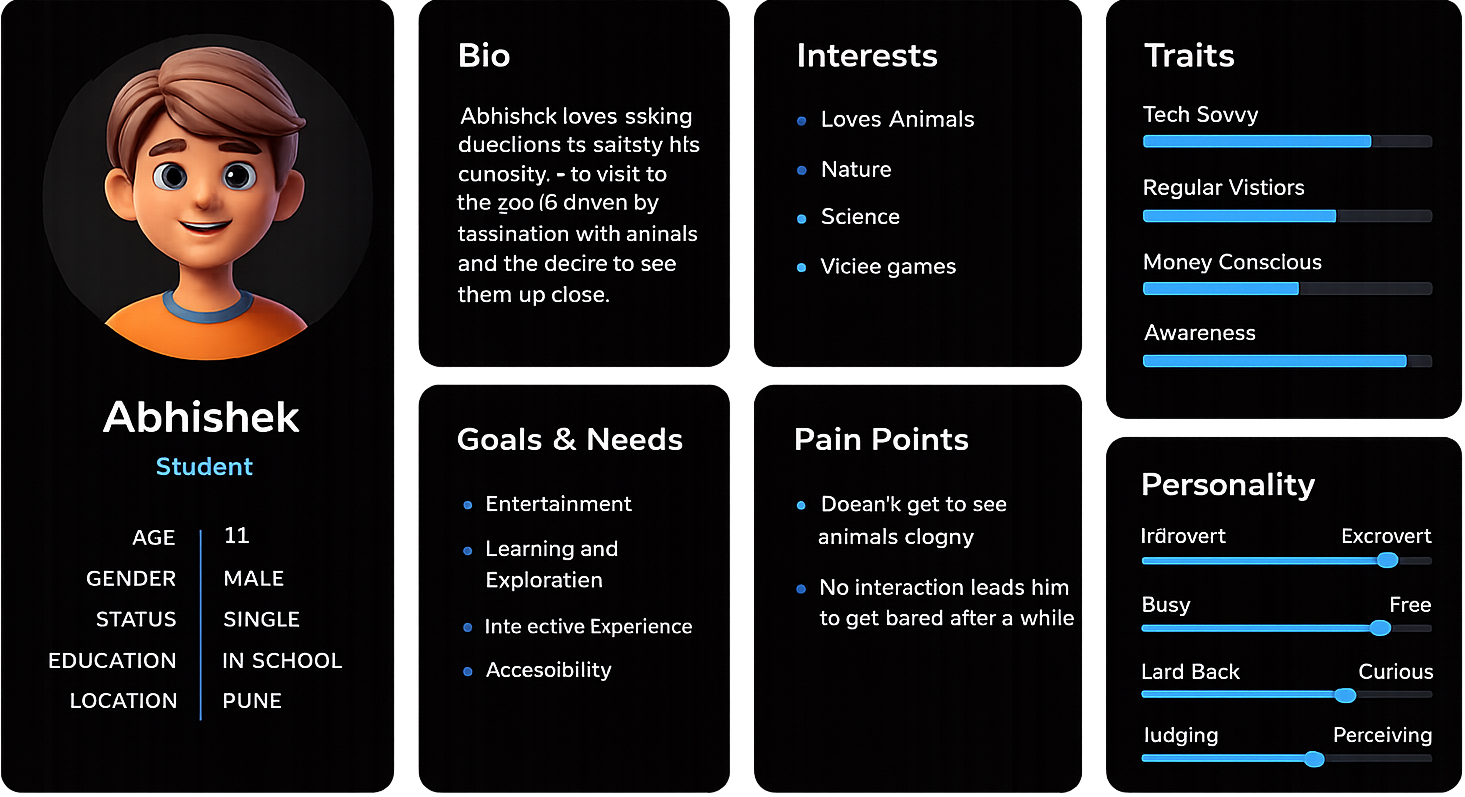
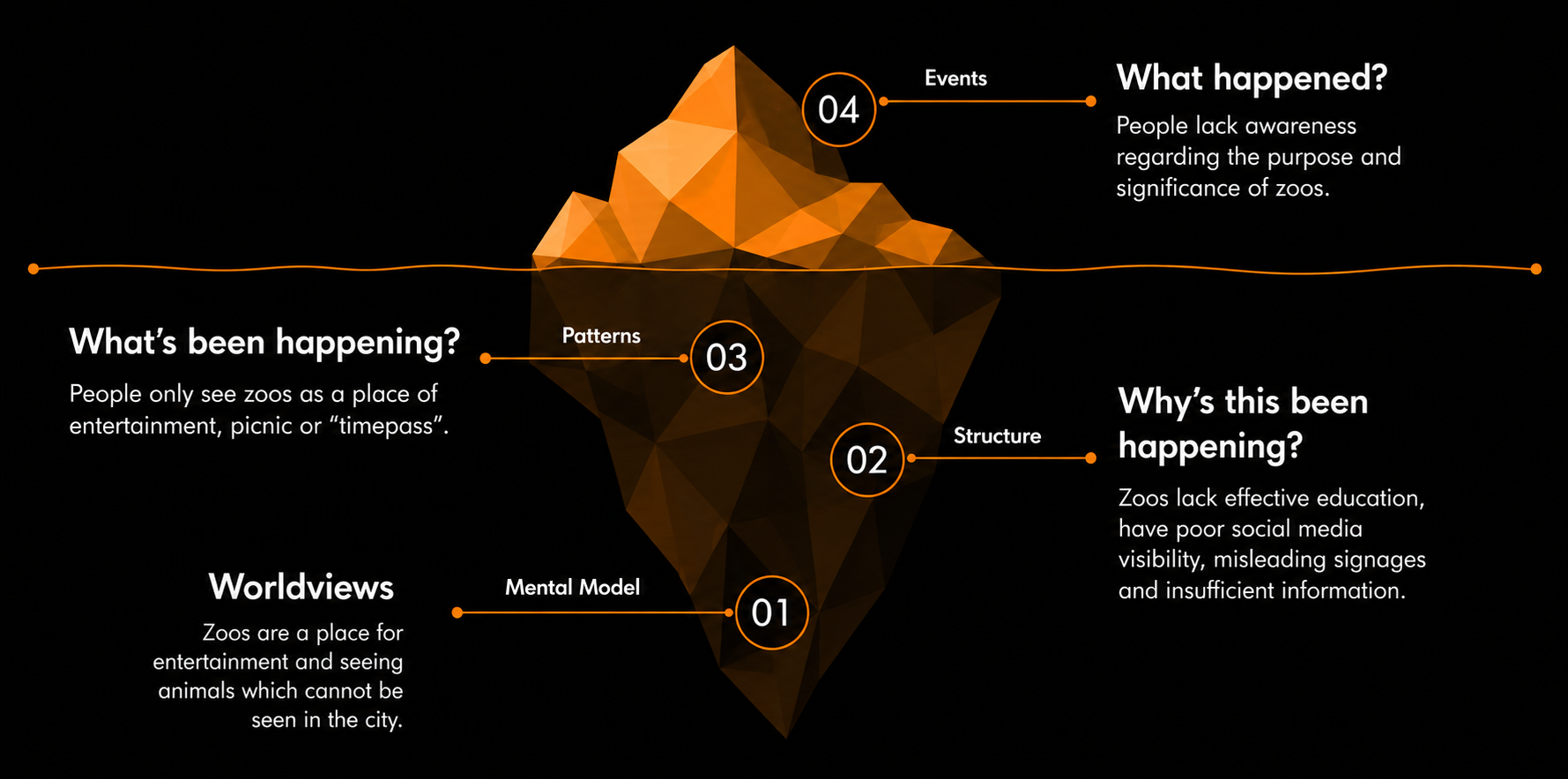
We generated a variety of potential solutions to enhance the visitor experience and meet educational goals.
Interactive boards to provide dynamic information about exhibited animals.
Augmented Reality on signages, exhibits, and interactive booths.
Gamified disposal — throwing garbage triggers rewarding animations.
Virtual reality integration for events and educational workshops.
AR guides allowing visitors to start a personalized zoo journey.
4D Movies about the Animal Kingdom and interactive games.
Educational kits for kids to learn about wildlife at home.
Collectible souvenirs representing different animals.
Capture memories with virtual animals in the zoo.
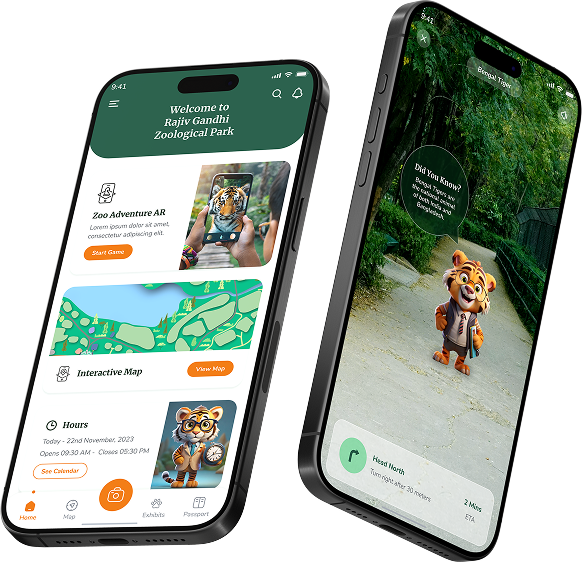
The final deliverables included a monthly drawing competition, a prototype for the RGZP App, and an AR Mascot for interactive navigation.
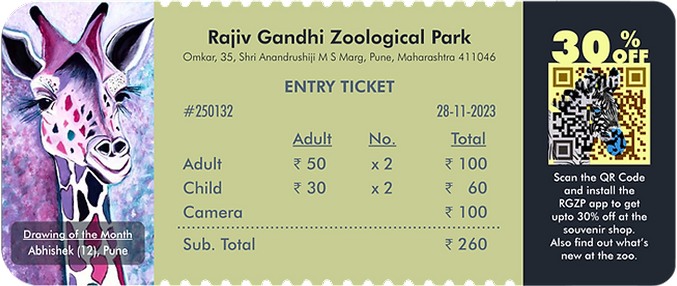
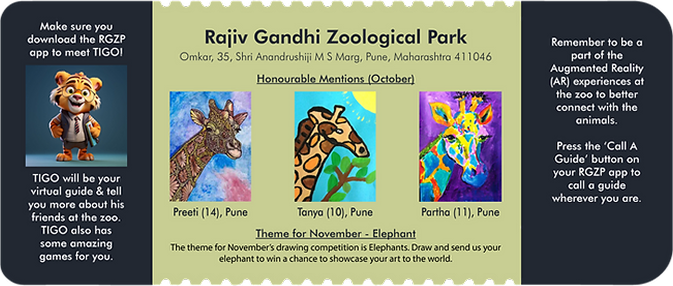
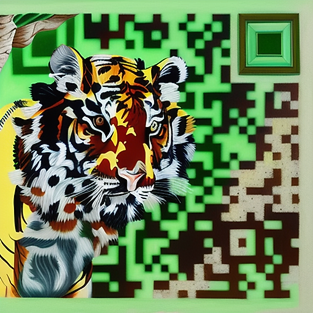
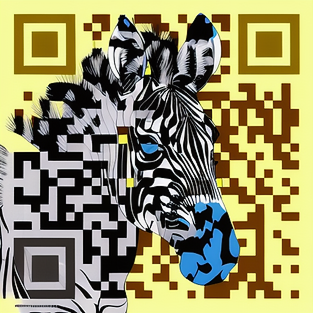
A playful guide who helps visitors navigate the zoo via AR maps.

An interactive game combining AR and photography. Play quizzes to unlock AR animals and earn stamps.
Navigate efficiently with 'TIGO' guiding visitors and sharing wildlife facts in real-time.
Previous Project
GuruVR MetaversityNext Project
Samsung PRISM