
Loading Experience0%
An XR-first immersive learning platform that turns abstract engineering concepts into hands-on, gamified experiences in VR.
Role
XR Design Intern
Team
3 Designers, 2 Developers, 2 3D Artists
Timeline
5 Months
Tools
Unity, Figma, Miro, ShapesXR, Blender
FireBirdVR is a next-generation XR company building immersive learning tools for education and industry. They sit at the intersection of VR, instructional design, and gamified thinking — their mission is to make hands-on learning accessible without needing a physical lab.
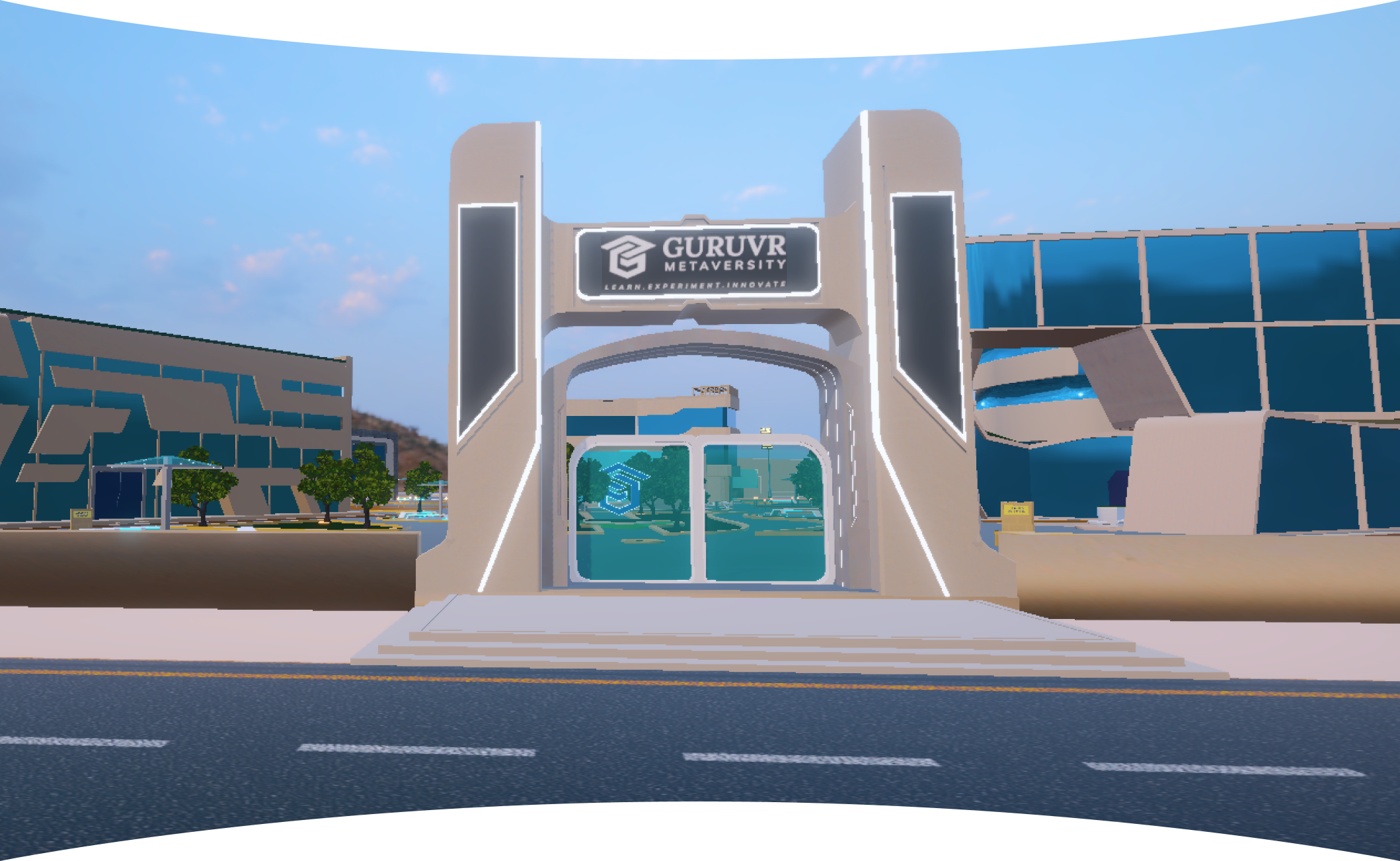
GuruVR Metaversity is their flagship product — a scalable XR-first platform where students, faculty, creators, and corporates converge in a shared immersive campus.
Higher Ed + STEM
Domain
VR / AR / AI
Technology
Gamified Learning
Focus
India EdTech
Market
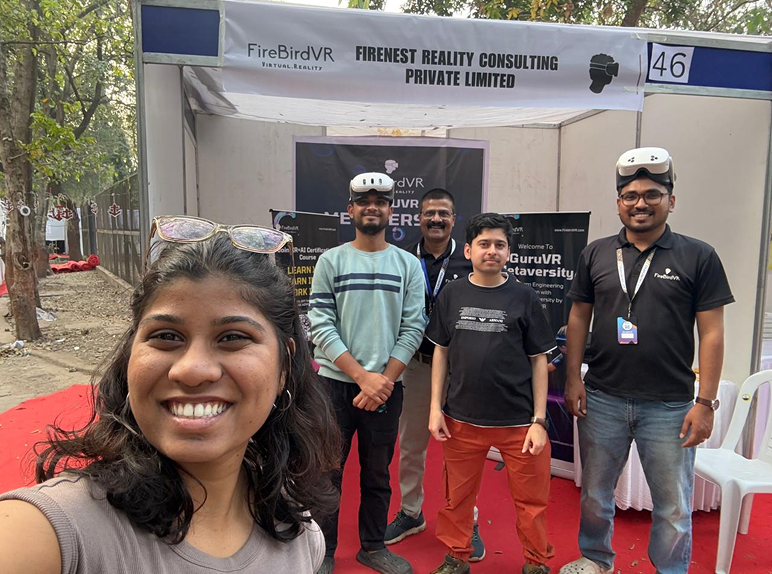
Industry Mentor (CEO, FireBirdVR)
Faculty Mentor (HOD — IMD, MITID)
Collaborators (Unity + Meta SDK team)
Collaborators (Environment + props design)
As the XR Design team at FireBirdVR, we ran the full design pipeline — from zero-day research to Unity prototyping — across 5 months of agile sprints.
Survey of 92 students, focus group discussions, competitor benchmarking, affinity mapping.
User-specific mind maps, information architecture across VR, desktop, and mobile.
Logo, color palette, typography, full component library.
Onboarding flows, dashboards, gamified interfaces.
Narrative design, spatial UI, hand-tracked interactions, Unity scene prototyping.
Usability sessions on Meta Quest 2, think-aloud protocol, heuristic evaluation.
Indian Engineering education relies heavily on theoretical lectures and outdated teaching methods — leading to a significant lack of hands-on learning and industry-relevant skills. Students struggle with limited access to practical sessions and insufficient guidance from untrained faculty, often resulting in a self-driven learning approach.
70%
30% practice
Theory Curriculum
68%
Lack access
Hands-on Learning
63%
Unprepared for XR
Faculty Readiness
71%
High cost
Implementation
Five months, one sprint board, zero handoff errors.
Brand identity
Complete design system & logo
Website UX
All multi-platform onboarding flows
4 Dashboards
Role-based views for 4 segments
Gamification
Reward & engagement blueprint
Unity Prototype
Logic Gates Mystery Island module
Research Docs
Personas, survey & usability reports
Before designing a single screen, we built the instructional skeleton. Every XR scene maps to this five-stage loop — it's what keeps learning intentional, not accidental.
Holographic voiceover introduces the topic with zero pressure to act
Tooltips and VO tell you exactly how to interact
Learner performs the task — pull the lever, insert the orb
Interactive quiz challenges test understanding in-scene
Final ritual — apply all knowledge independently to escape
We ran both primary and secondary research before touching any design tool. The goal was to validate assumptions with real data, not gut feel.
Survey (92 Engineering Students): Multi-institution quantitative survey. Covered XR exposure, learning preferences.
85%
in academics
Never Used XR
91%
improves retention
Hands-on Focus
83%
believe XR will define it
Future of Ed
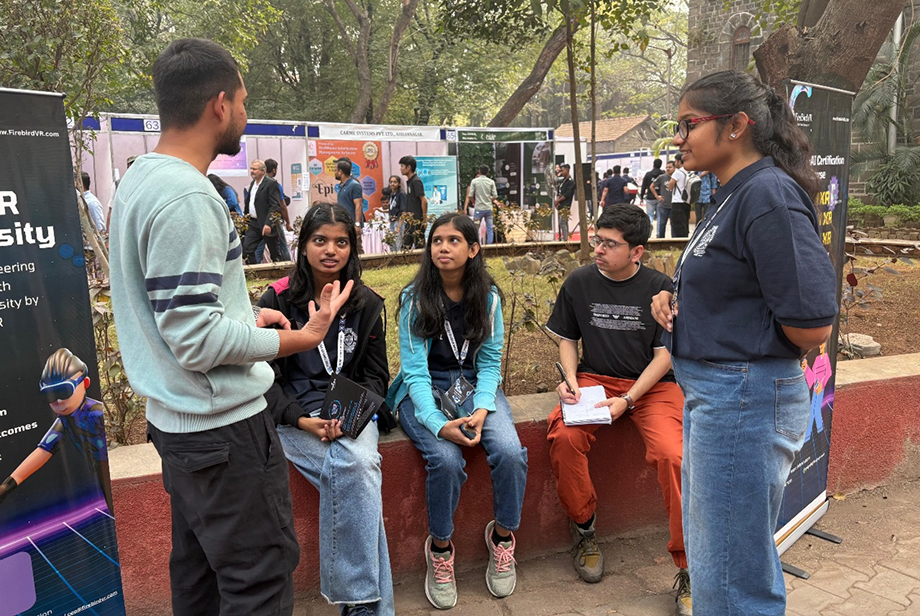
Focus Groups: One-on-one and group sessions with students and faculty.
Students lost in abstract theory — need visual anchors
Faculty not opposed to XR — just anxious about the curve
Navigation in VR was a consistent friction point
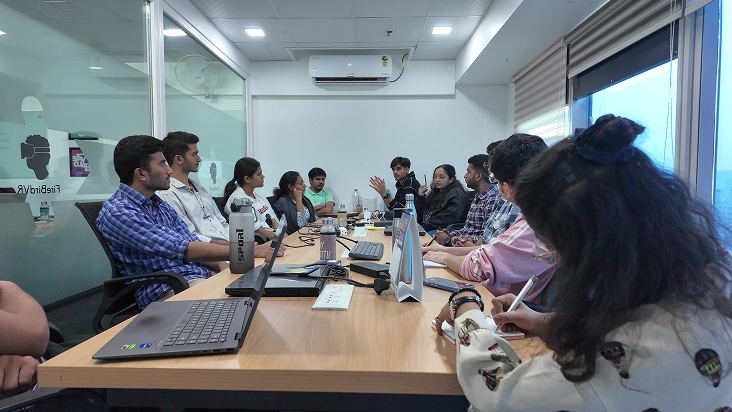
Evaluated Labster, iXR Labs, Coursera, and others on dimensions like gamification, XR narrative, Indian curriculum alignment, and cross-platform capability. GuruVR addresses clear white spaces in immersive story-driven onboarding and AI integrations.
How might we build a scalable XR platform that bridges the gap between theoretical engineering education and hands-on industrial expertise, while ensuring the UX is intuitive for both first-time VR students and non-technical faculty?
GuruVR Metaversity is designed as a cross-platform XR ecosystem that operates seamlessly across VR headsets, desktop, and mobile. The XR-first approach ensures an immersive core with responsive layers for wider accessibility.
Educators, 3D artists, and module developers building the immersive curriculum.
Meta Quest 2 · Spatial UI · Hand-tracking. The primary experience.
Dashboard UX · Course Management. Full feature access without a headset.
Progress Tracking · Notifications. Adaptive touch UI for on-the-go.
Rather than a menu system, GuruVR uses a 3D campus metaphor. You navigate between zones — not pages.
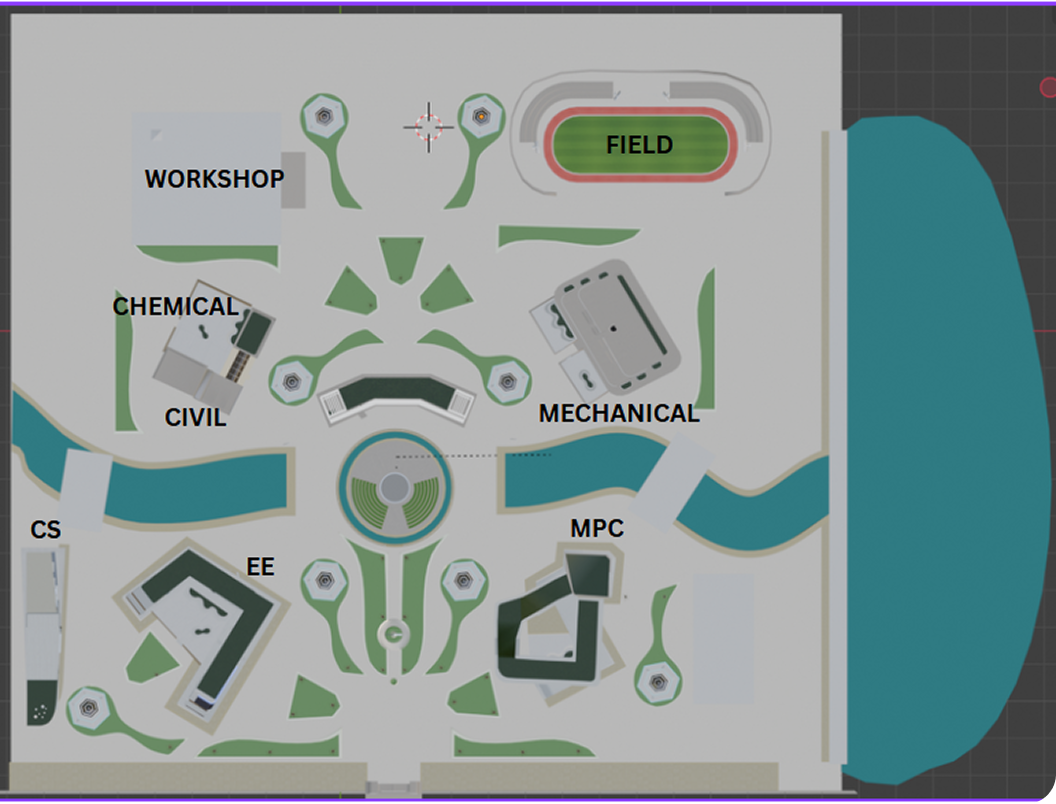
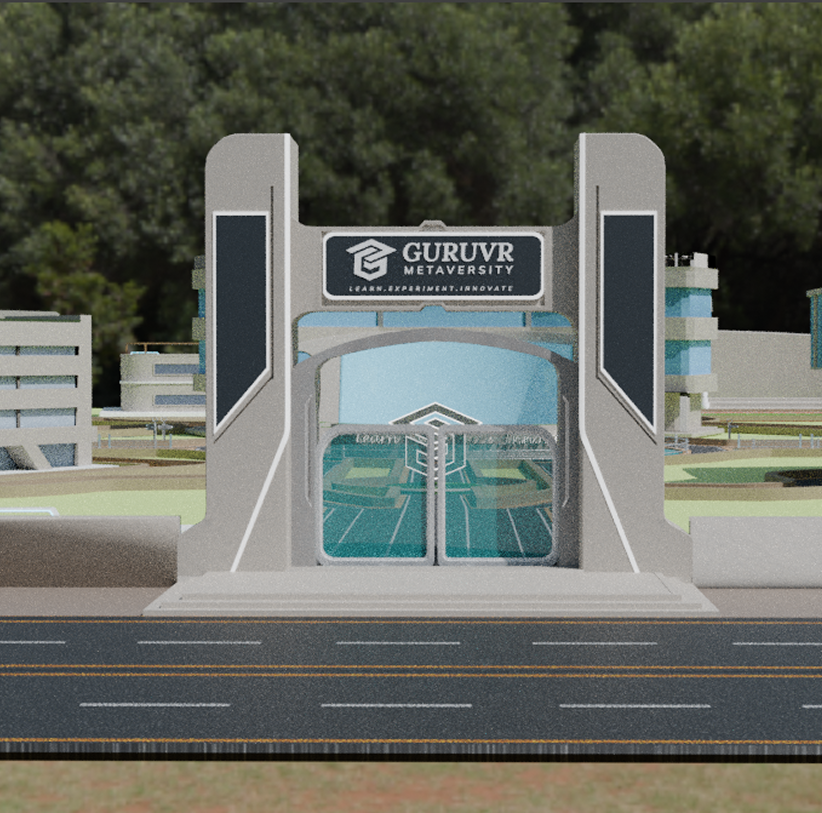
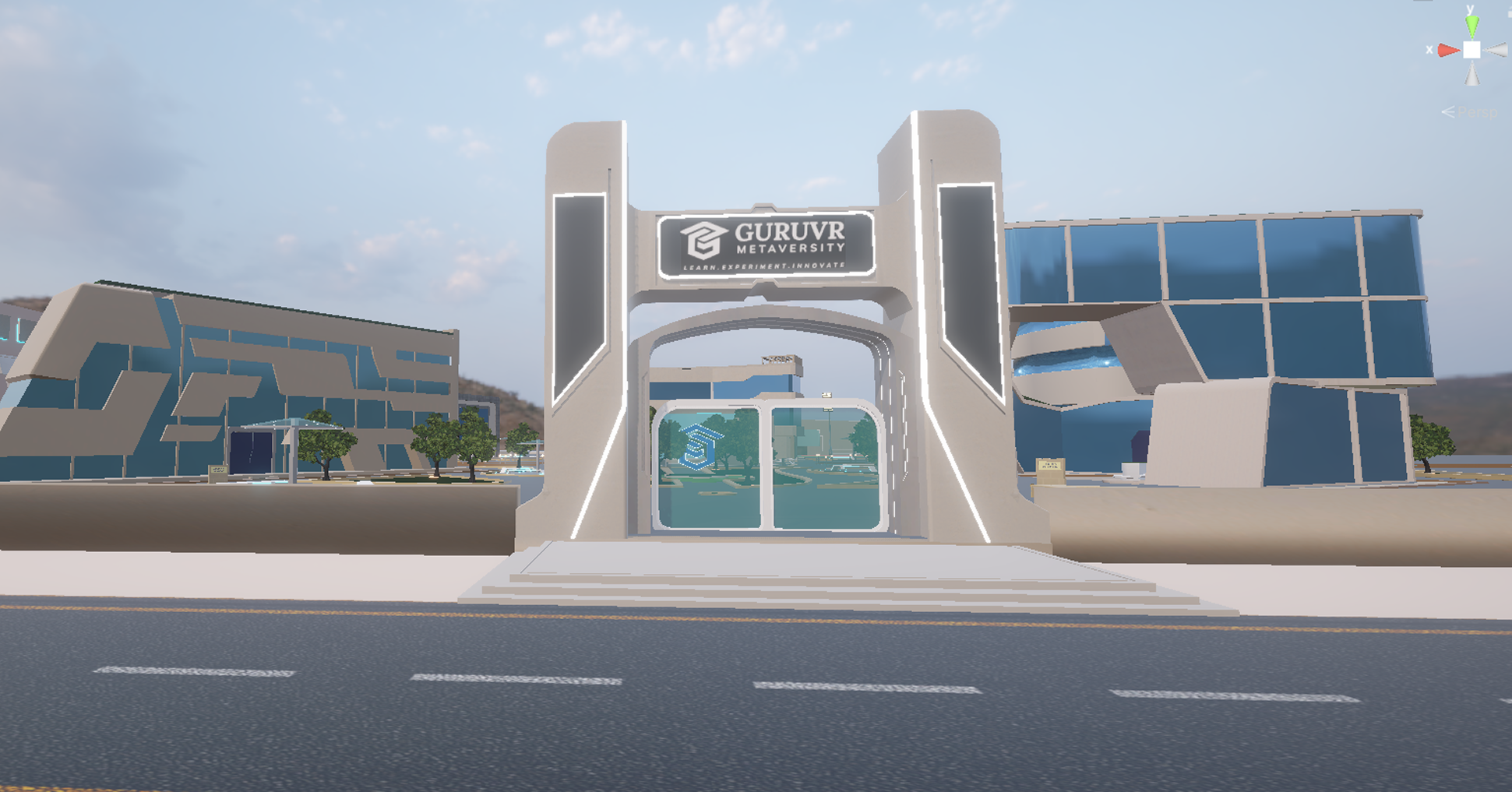
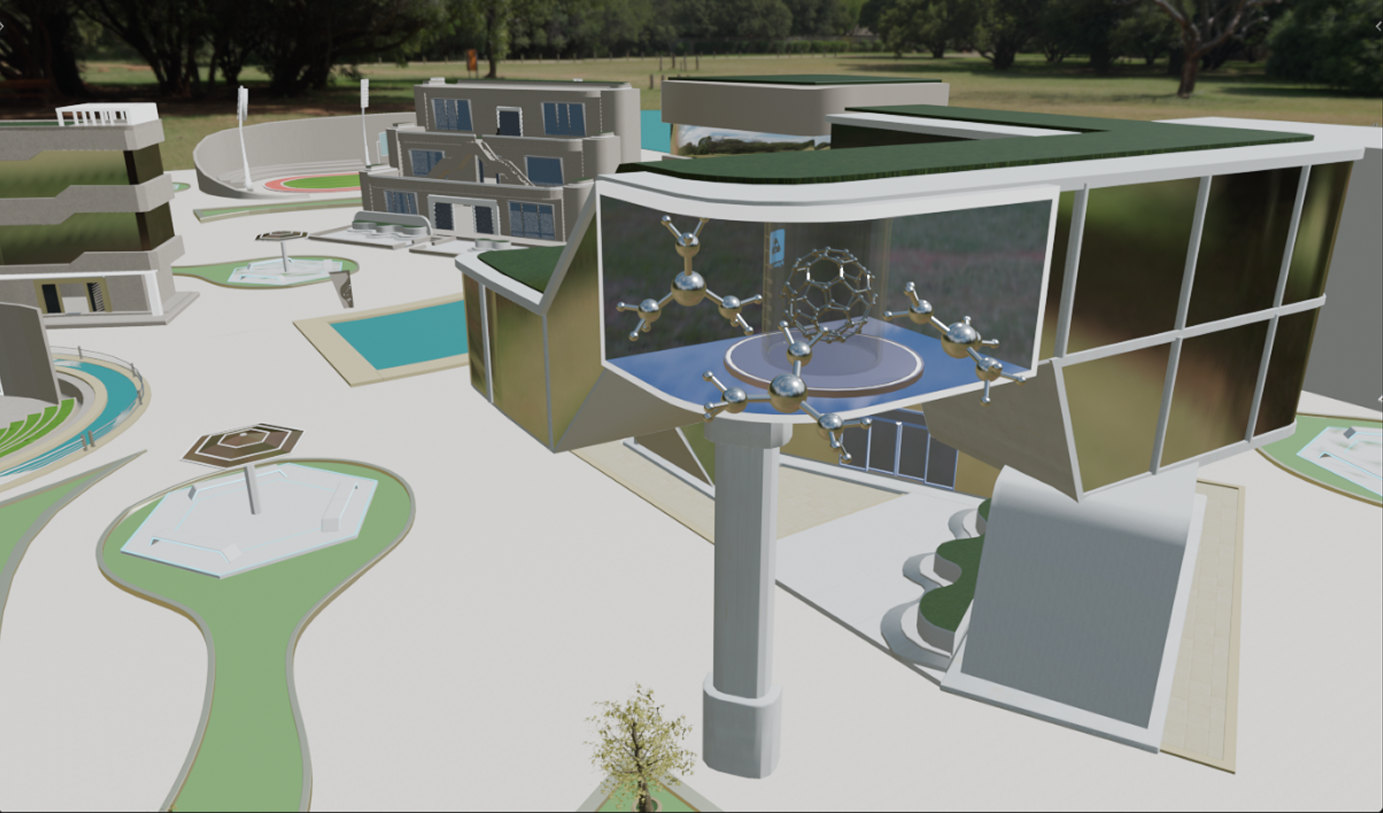
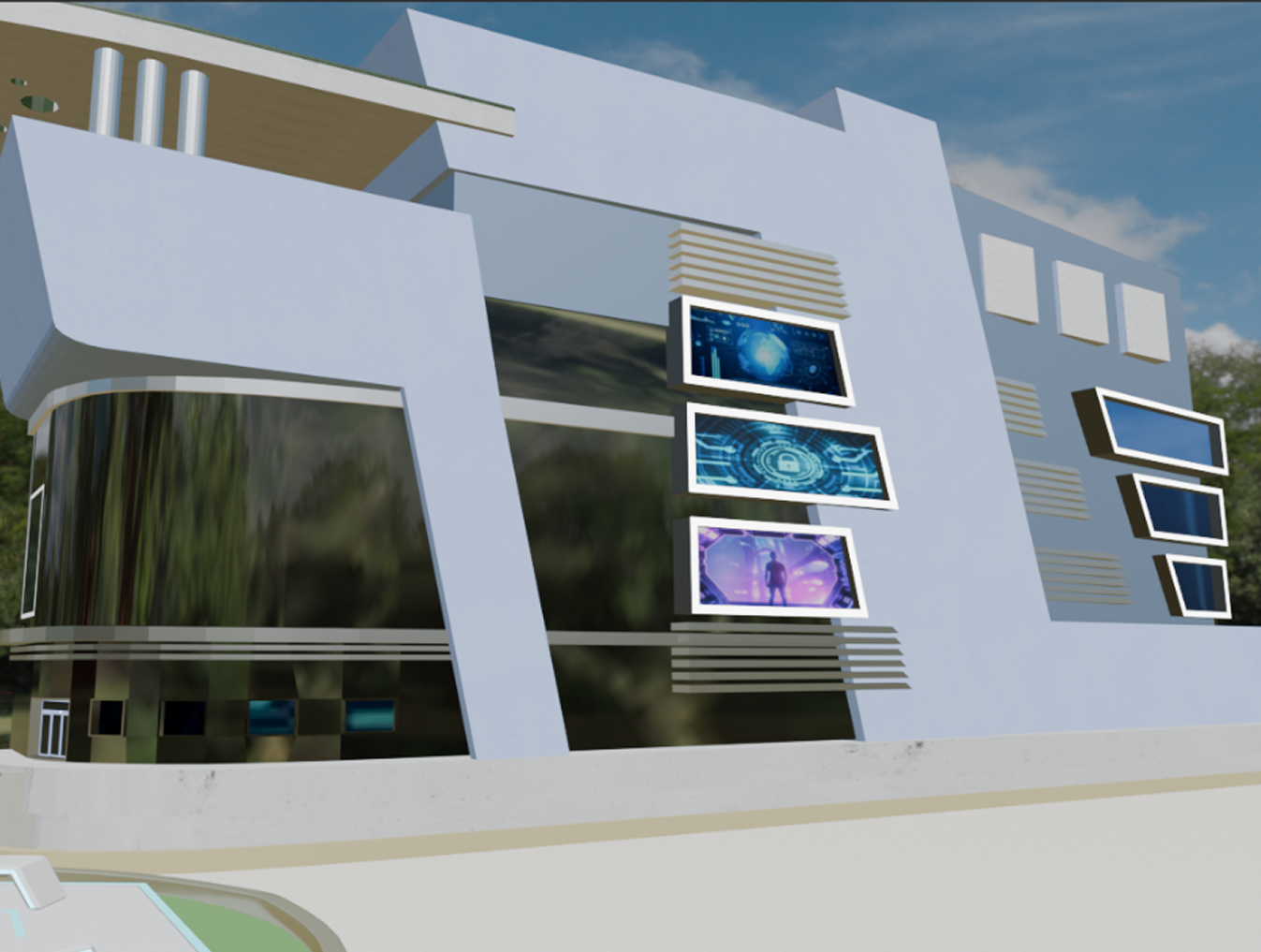
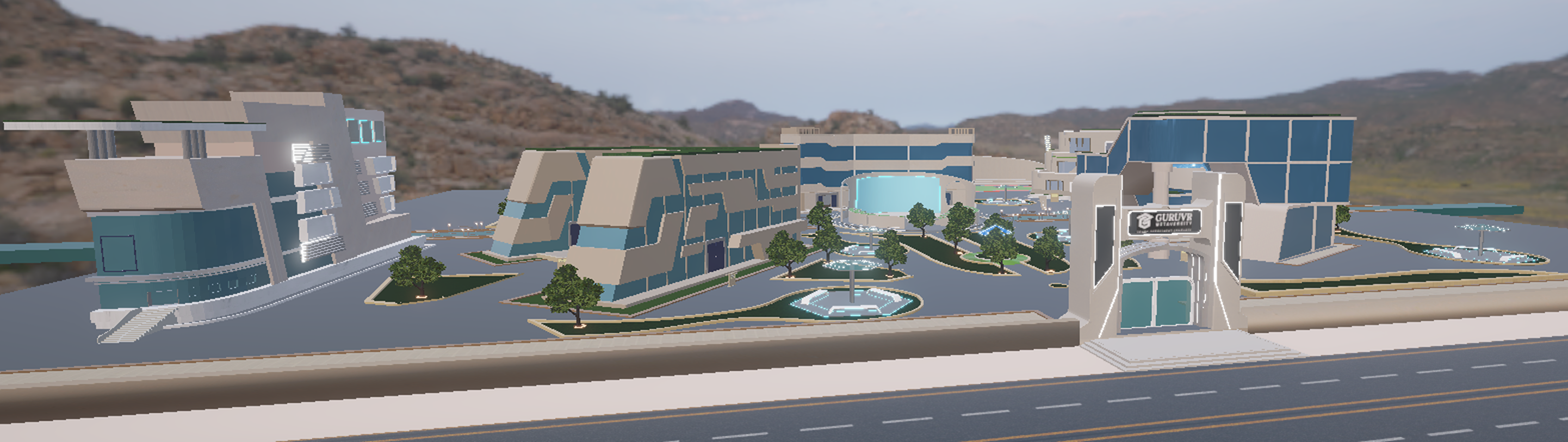
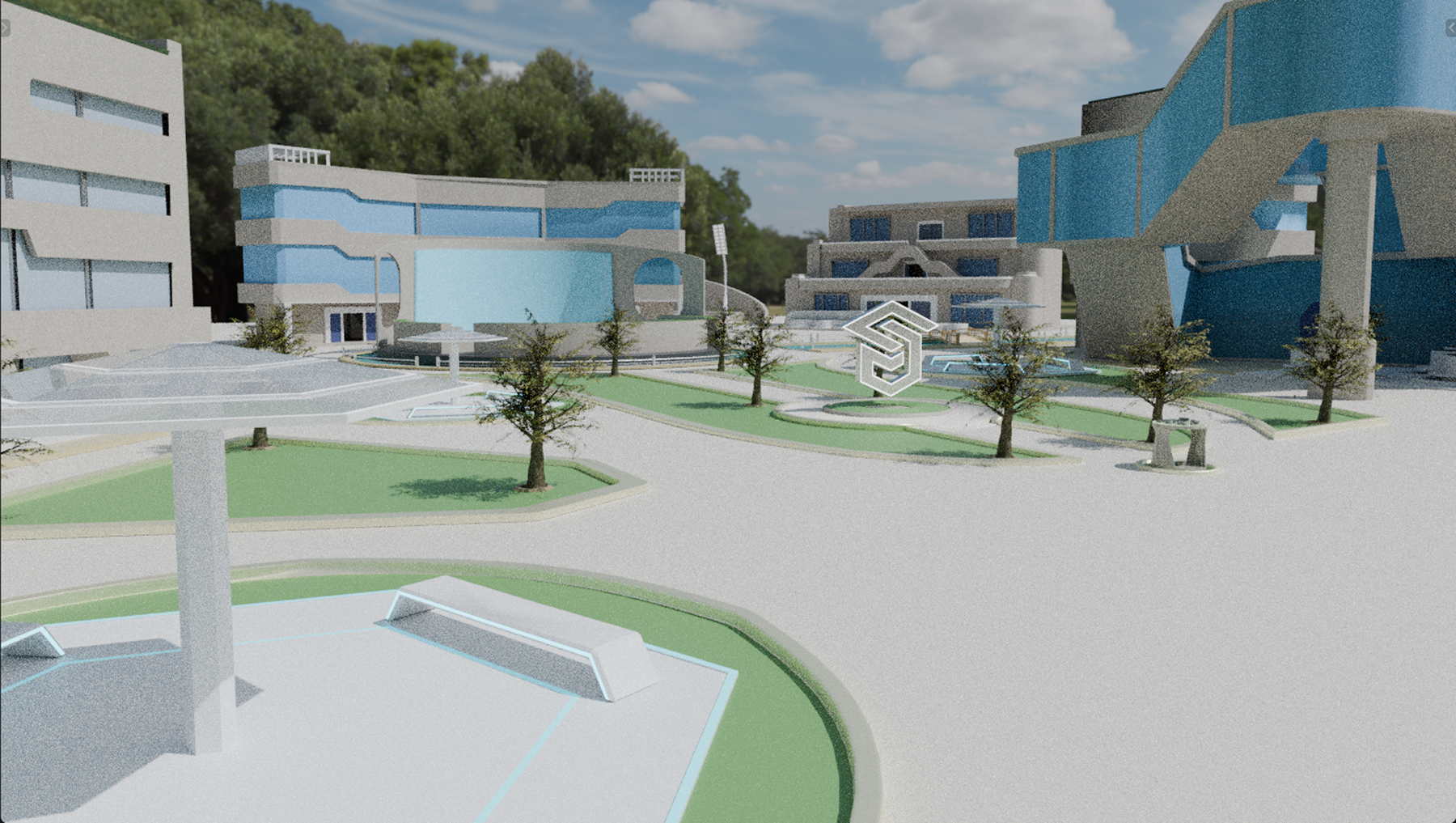
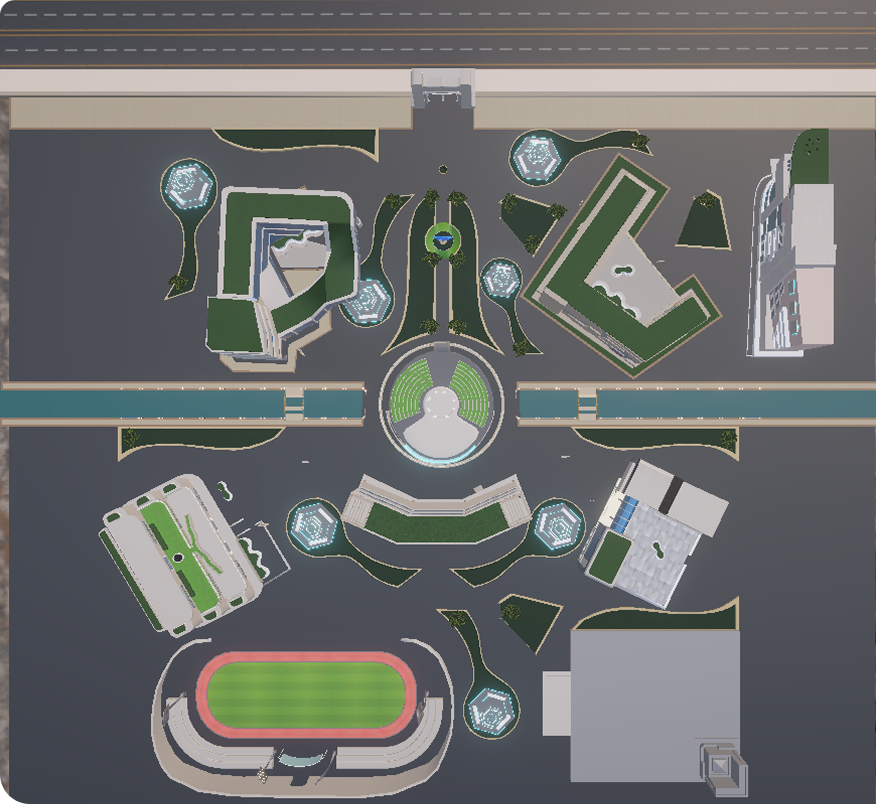
Welcome Entrance
Onboarding + avatar
Dept. Labs
EEE / Mech / CS
XR Classrooms
Live + async sessions
Peer Zones
Avatar interaction
Corp. Pavilion
Sponsors + recruitment


One design system to rule VR, desktop, and mobile. Lora brings the academic weight. Mulish keeps the UI sharp. The palette works in pitch-black VR environments as well as full-light web.
Each role gets a dashboard designed around their actual job:
Student
Progress tracking, XR Launchpad, AI Tutor
Faculty
Engagement analytics, classroom management
Creator
Creator Studio, concept tagging
Corporate
XR safety training, HR sync
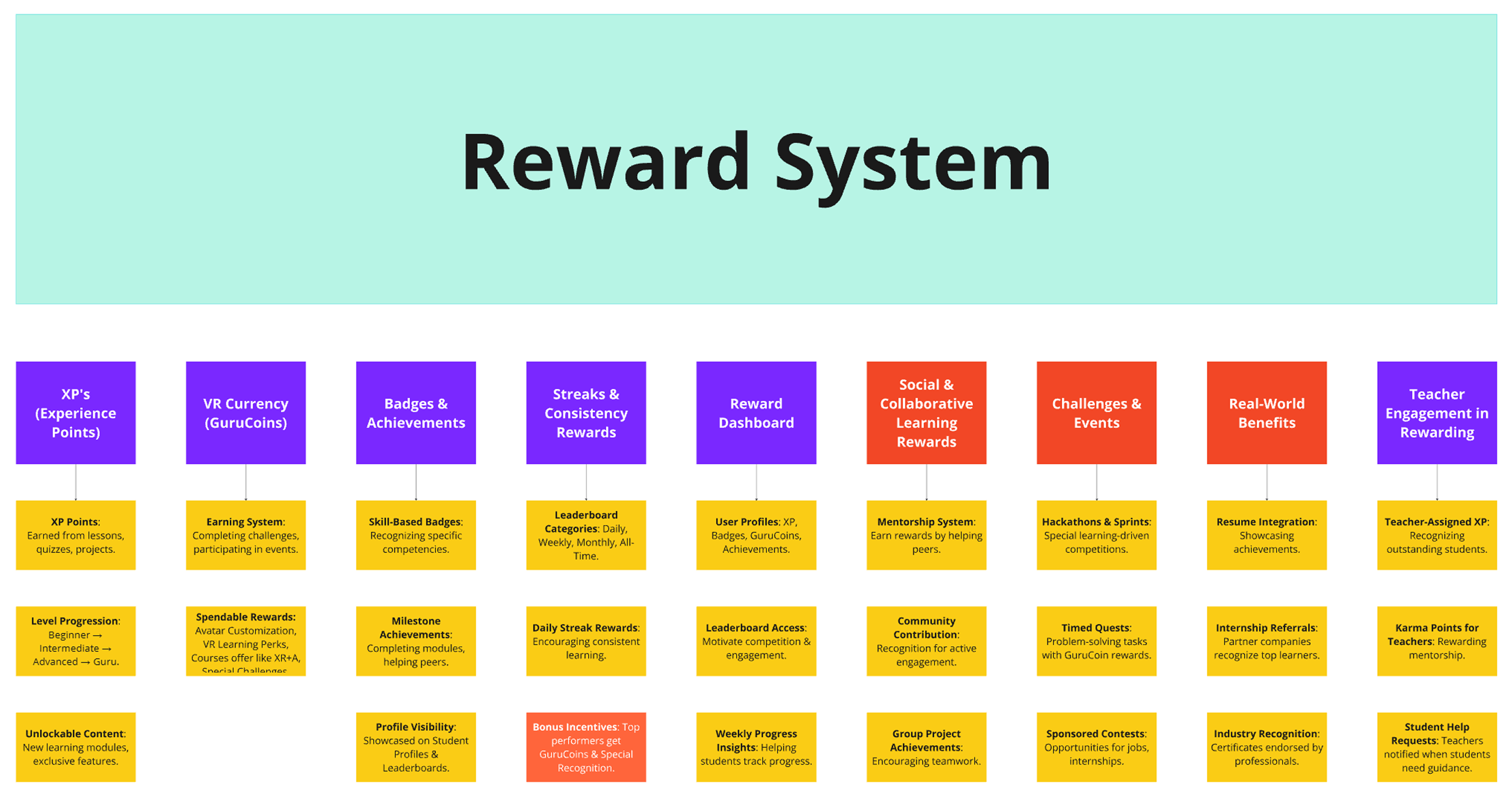
Gamification without overuse. Every element earns its place by driving a specific behaviour.
XP Points
Earned through quizzes and tasks
GuruCoins
In-platform currency for avatar perks
Badges
Milestone markers for module completion
Streaks
Engagement chains
Leaderboards
Rankings driving social motivation
Contextual AI assistant embedded across VR, desktop, and mobile. Summonable at any moment. Voice and text responses, concept explanations, and adaptive recommendations.
The module that proves everything. Seven interconnected VR scenes. Each temple teaches one logic gate — through puzzles, not lectures. The final ritual forces you to use all five gates to escape.
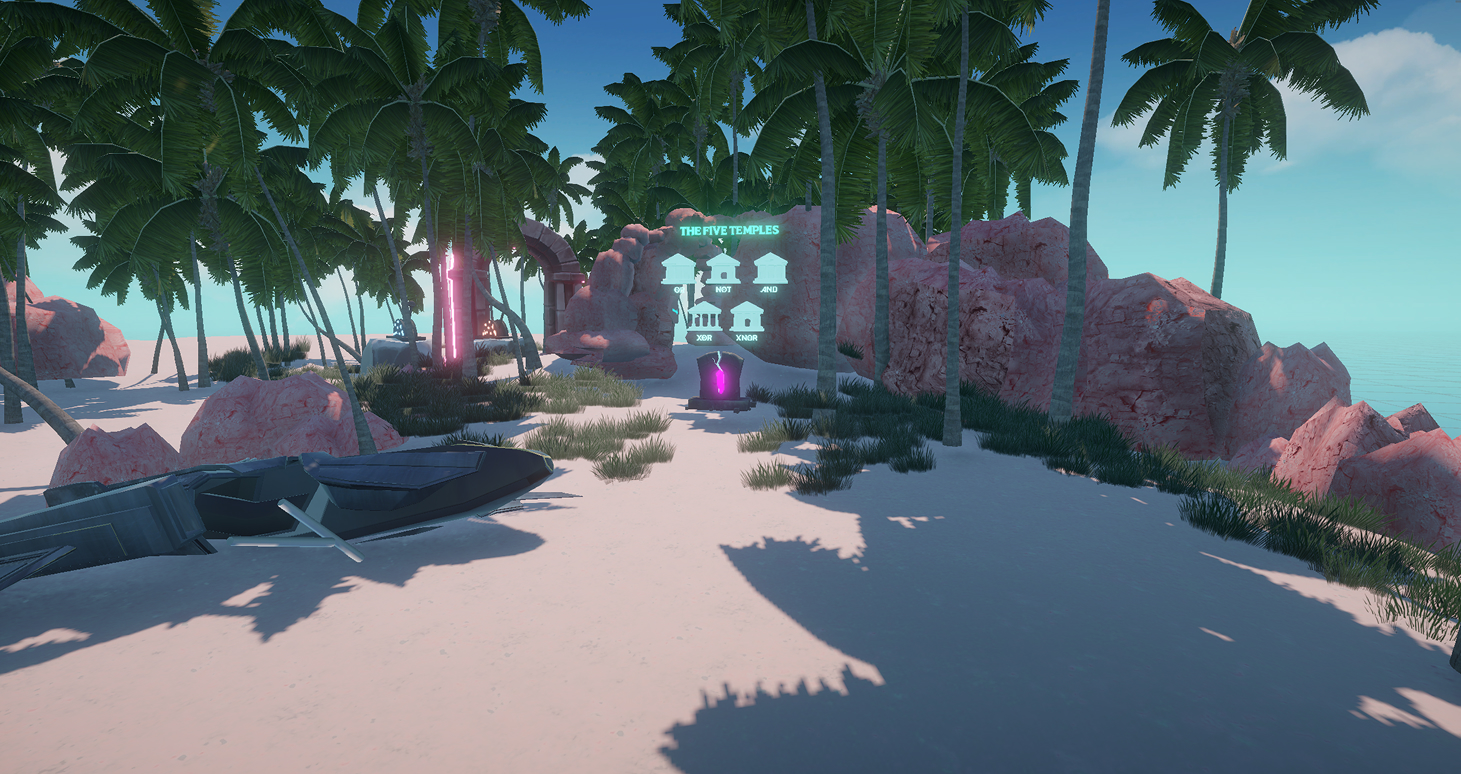
Orientation — no pressure to perform yet.
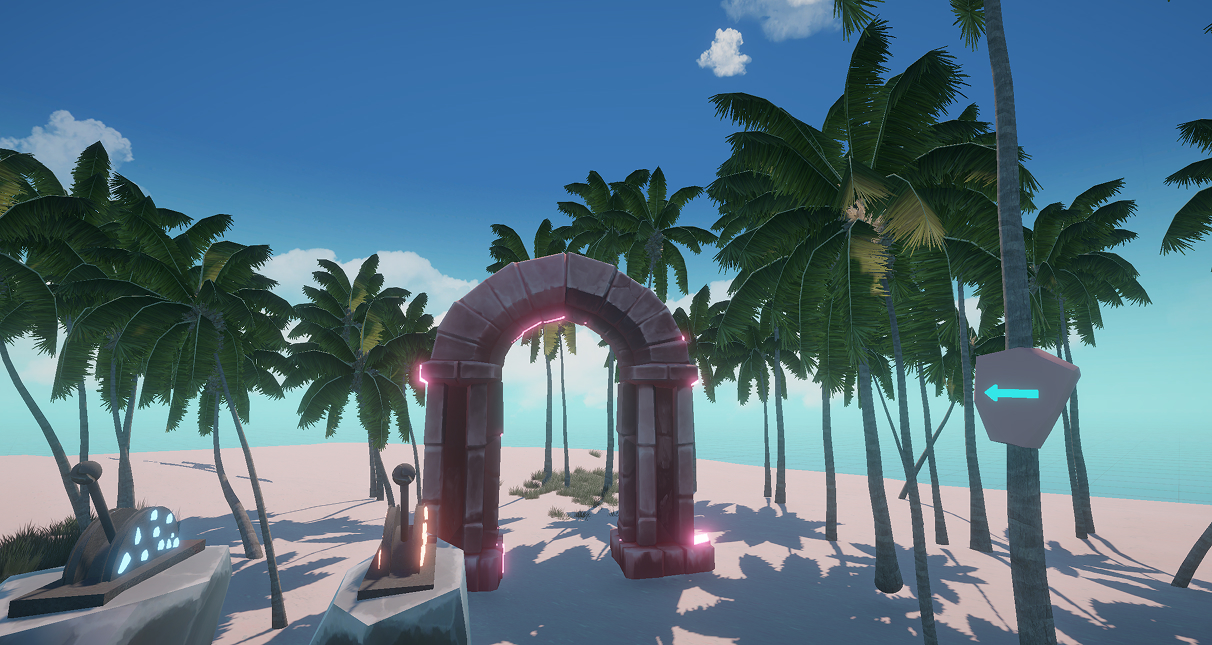
Pull both levers simultaneously to activate the gate.
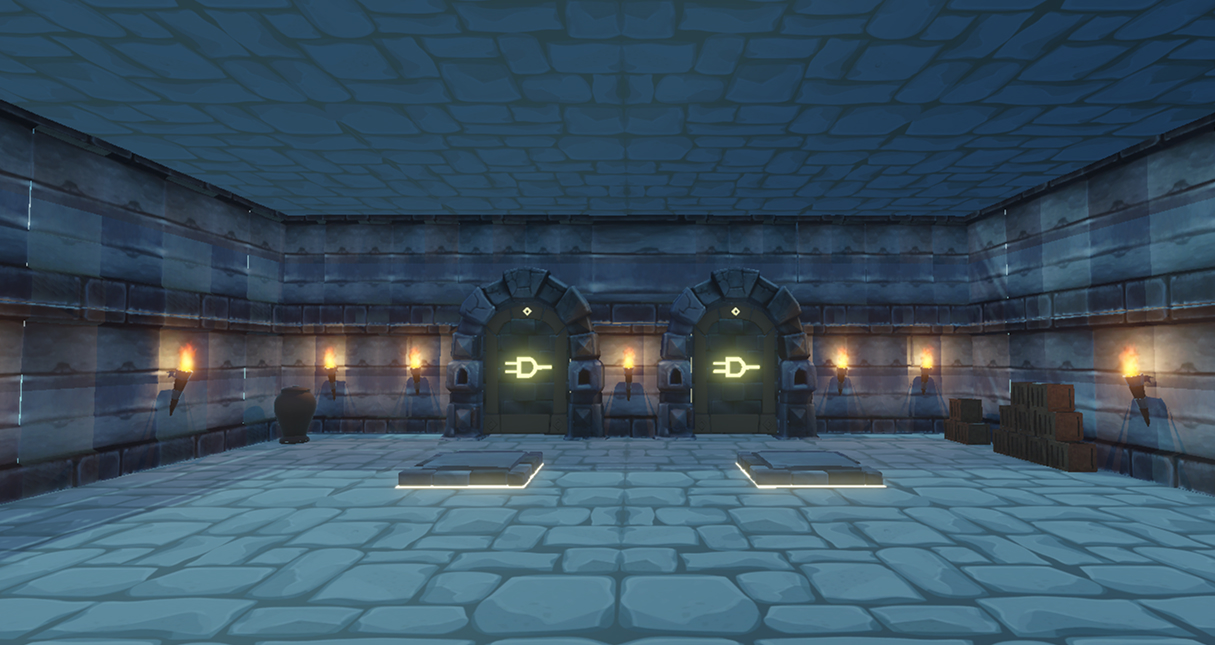
Step on pressure pads in different combinations.
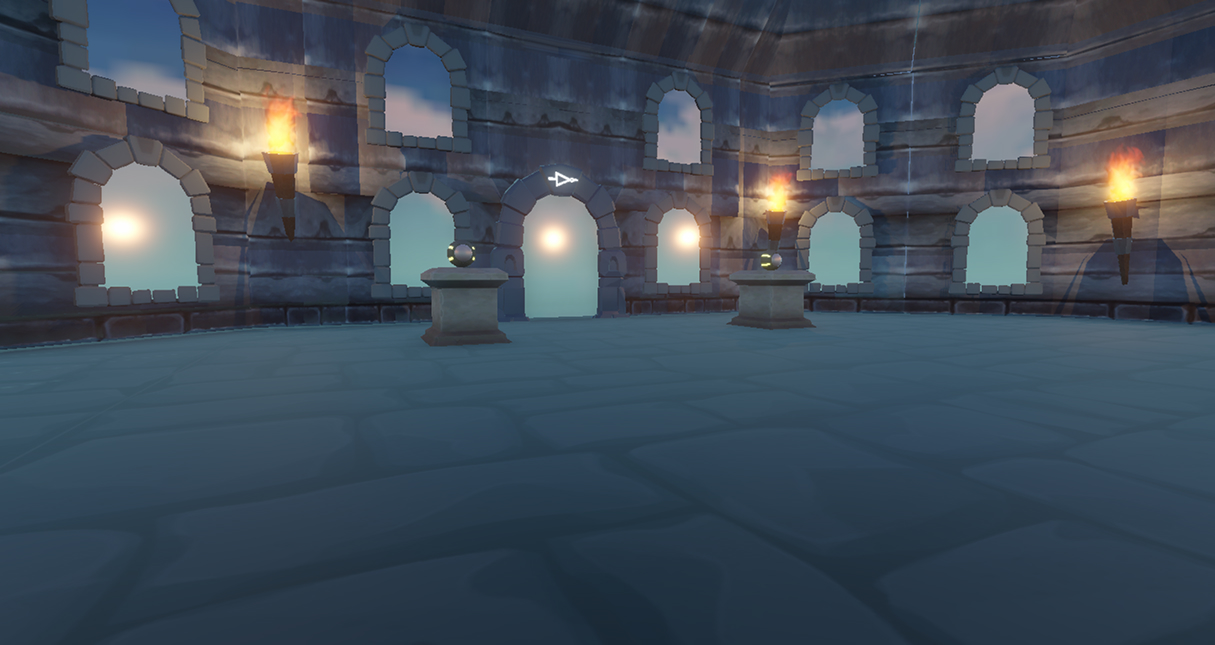
Insert an orb into the gate — the inverse shoots out as a beam.
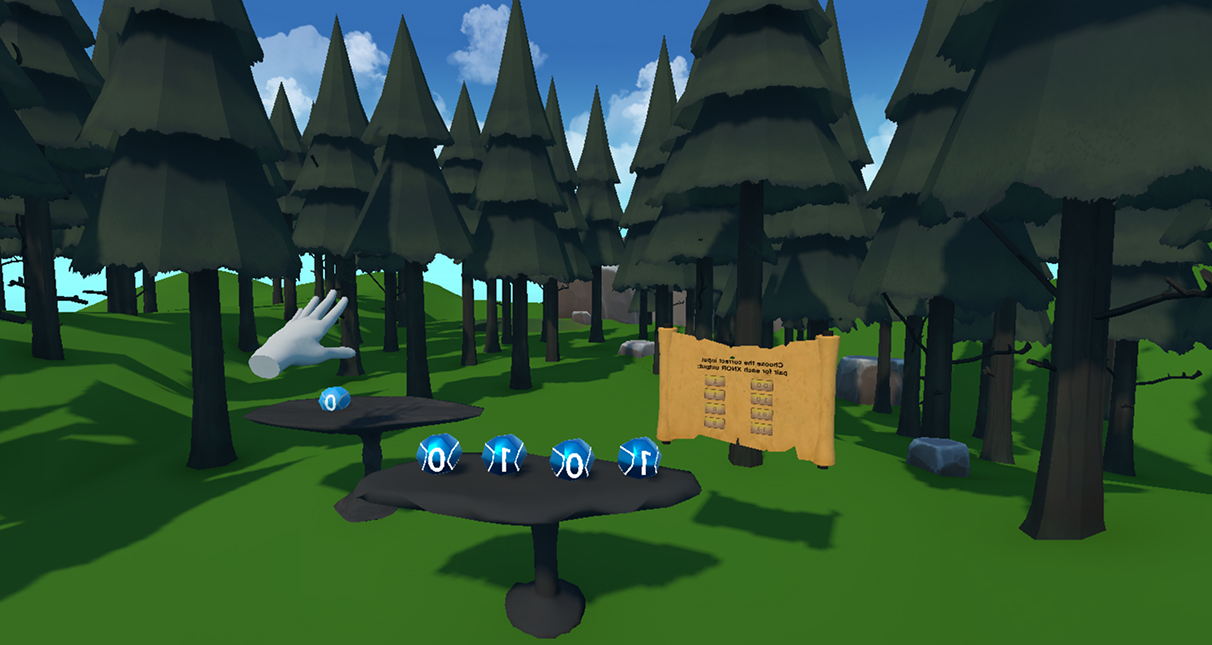
Select mismatched input pairs to activate the gate.
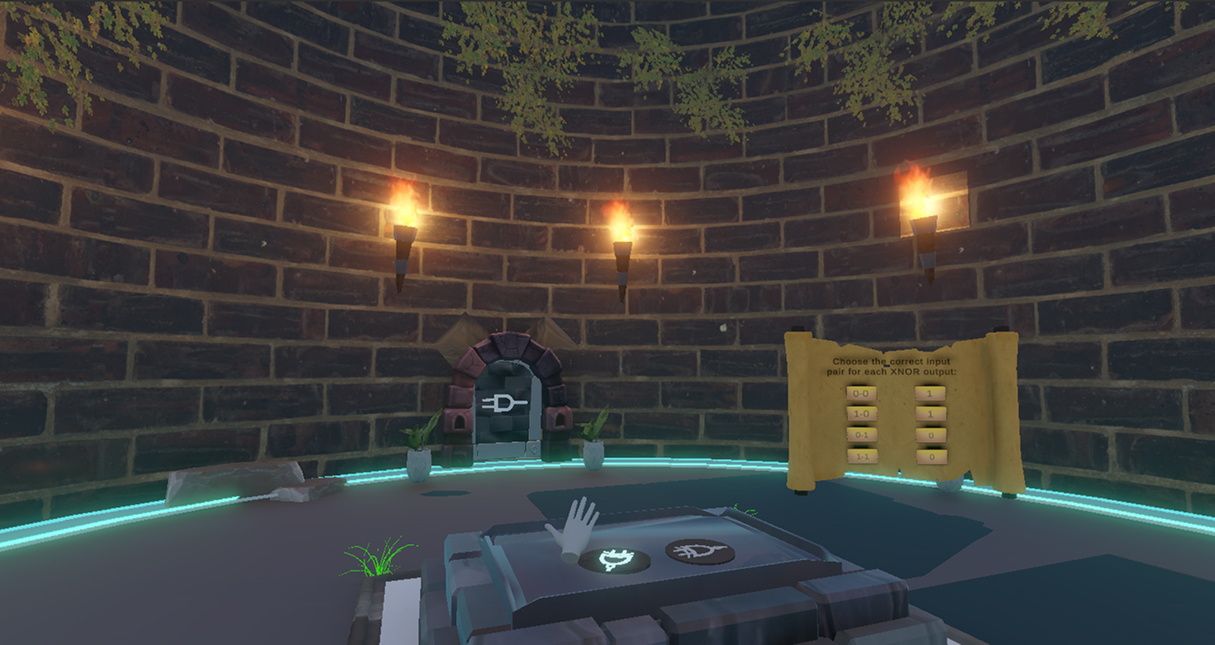
Align both inputs to match — the platform rises.
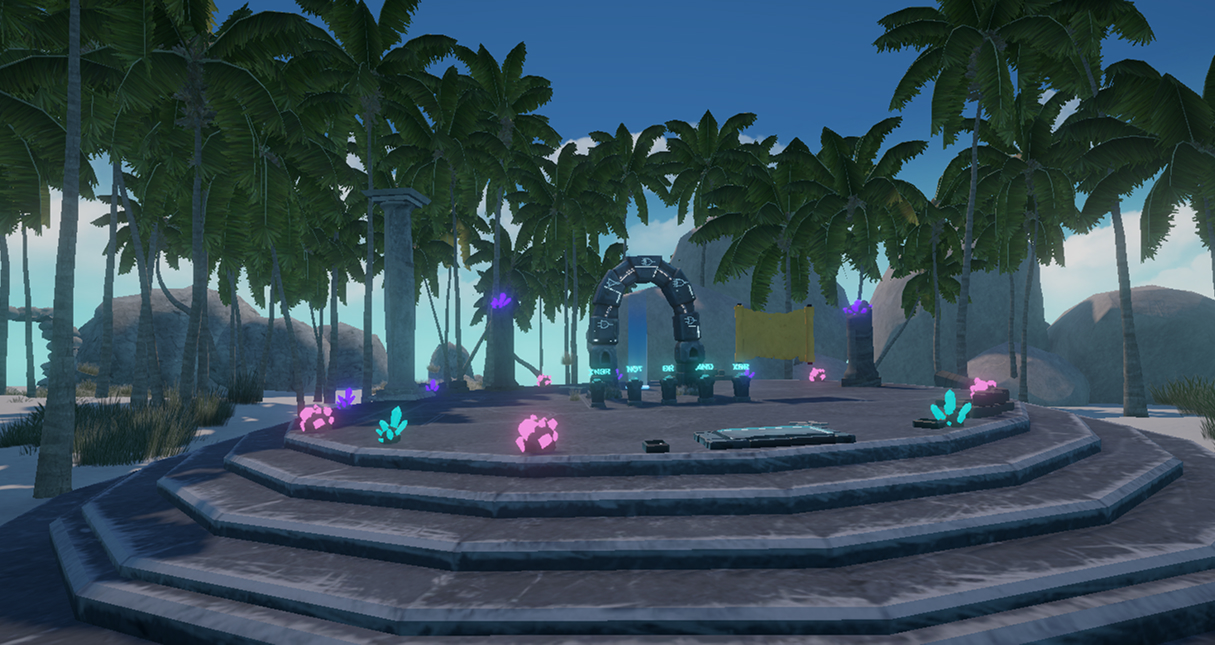
Build one mega-circuit from gate tokens. Unlock the escape portal.
Implemented hand-tracked lever pulls (Gesture), input selections at circuit nodes (Drag & Drop), accessible quiz confirmation (Gaze & Hold), and truth tables with circuit feedback (Floating UI).
All 7 scenes were prototyped and tested in Unity, deployed on Meta Quest 2 via Side Quest. We collaborated directly with the dev team to translate design intent into real XR behaviour using Unity (C#), Meta XR SDK, XR Interaction Toolkit, and Photon Fusion.
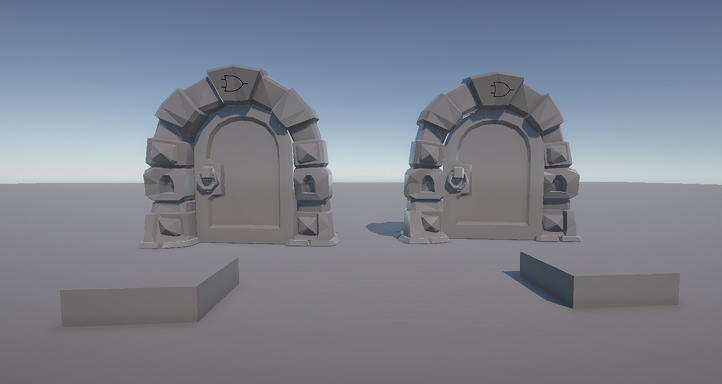
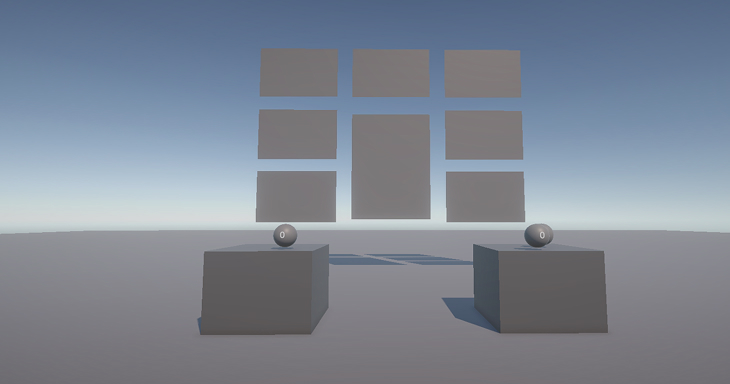
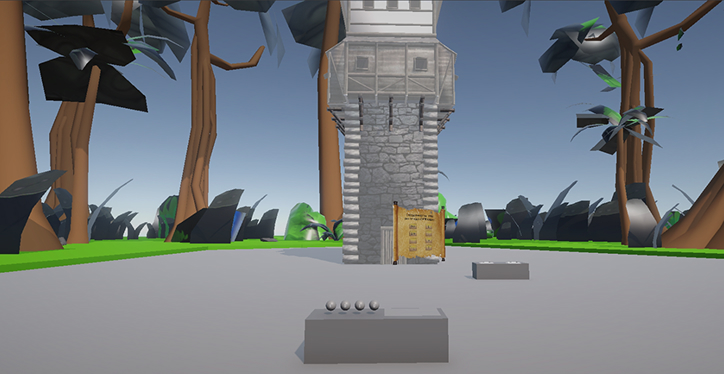
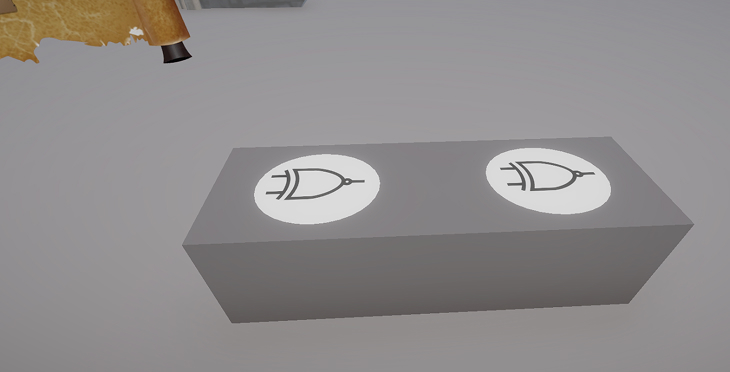
Three rounds of UX evaluation with first-year engineering students — in VR, on actual Meta Quest 2 hardware. What we found shaped everything about the final experience.
8.5 min
Average completion time (down from 11m)
21%
First-attempt error rate (down from 38%)
Repositioned height & angle of floating UI panels to prevent them from being missed.
Added Gyaanix voice prompt at entry point to reduce confusion around mirror mechanics.
Improved haptic pulse and added visual confirmation glow upon successful activation.
Implemented an adaptive logic hint system when users fail multiple quiz attempts.
"Felt like a puzzle adventure, not just a class."
"Voiceover tips from Gyaanix made me feel guided but not forced."
The final developed prototype is an immersive, multi-user VR experience built for the Meta Quest 2. It integrates the spatial logic gate module and AI-driven guidance via Gyaanix.
Optimized for Meta Quest 2 / Quest 3 with hand-tracking and controller support.
Built with Unity, Meta XR SDK, and Photon Fusion for real-time collaboration.
Not a list of achievements. Genuine things that changed how we design — especially in spatial contexts.
Immersive narrative unlocks engagement that UI alone can't. Gamification only works when it's earned.
VR development demands constant trade-offs between visual quality and frame rate. Gesture-based affordances need to feel like natural instinct.
Real users never follow the ideal path. UI placement in 3D space must adapt to user height, direction, and attention speed.
"This project wasn't just about designing an XR module — it was a deep exploration into how technology, storytelling, and education converge. GuruVR Metaversity has potential beyond logic gates. It offers a new blueprint for how India's technical education system can evolve — more experiential, inclusive, and future-ready."
— Shubhanshu
Previous Project
FlytBaseNext Project
RGZP Zoo Systems